Cost per purchase
Under $20
On Google, across our travel accounts. On a $52.50 ticket, that is healthy headroom.

You have quietly built one of the smartest pricing ladders in Australian tourism, from a $52.50 day ticket up to a $125 Annual Pass. The category's media spend is built to sell the opposite: a single trip, once.
A $677M category is pouring money into pushing Australians onto planes and cruises. You are selling a full day, forty minutes from Ballarat, that a family can repeat all year. That mismatch is the opportunity.
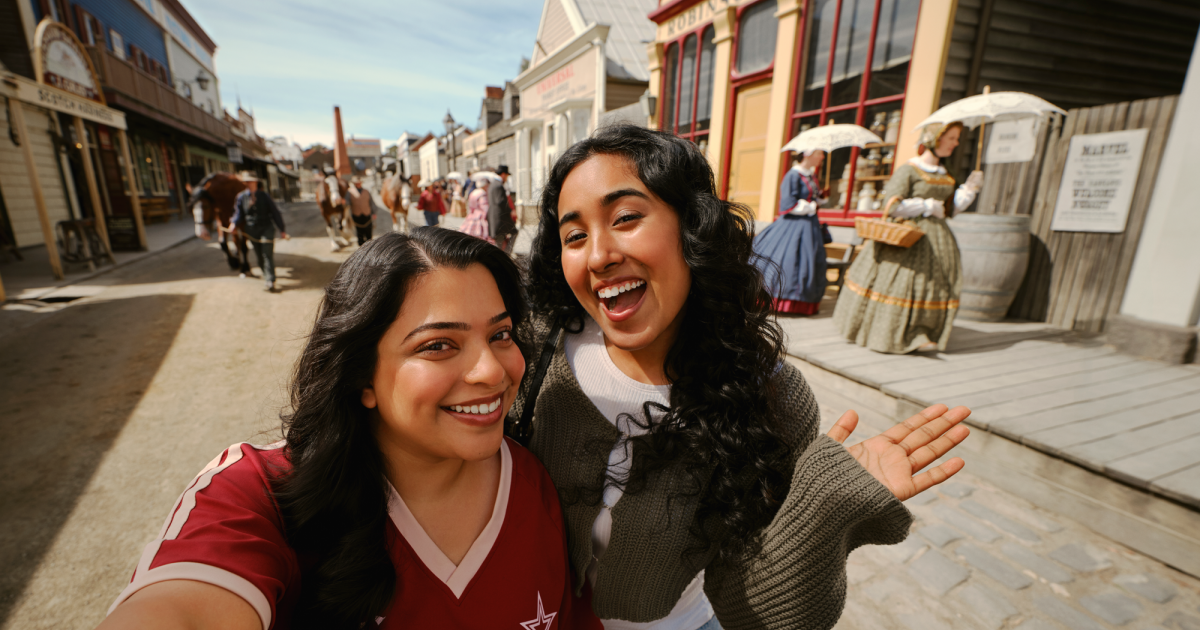
Airlines, cruise lines, OTAs and tour operators account for the vast majority of that $677M, and almost all of it optimises to one thing: a single booking. Your ticket page tells a different story. General Admission at $52.50, a Locals Pass at $77.50, an Annual Pass at $125 that pays for itself in three visits. That is a frequency business wearing an attraction's clothes.
Here is our read: most attraction media stops at the first ticket sold and never carries the visitor toward the pass. If your paid channels optimise to General Admission conversions only, you are buying your highest-value customers and handing them your lowest-value product.
Category ad spend peaks in January and bottoms out in December, chasing the summer holiday. Winter Wonderlights does the harder, cleverer thing: it manufactures demand in the off-season, when the biggest spenders in your category have gone quiet and regional media is at its cheapest.
Winter is when attention is cheapest to buy and you have the most to sell. Source: Nielsen Ad Intel, as at Dec 2025.
Let us show you what a winter media plan looks like when nobody else in the category is bidding.
Just hit replyTour operators, OTAs and airlines dominate spend. Hotels, resorts and destination experiences sit at the bottom. For a physical attraction with an on-site hotel, that is a thin, under-contested lane, especially against intent that could stay in regional Victoria rather than leave it.
The loudest categories sell people out of your market. That leaves domestic experience demand under-served. Source: Nielsen Ad Intel, as at Dec 2025.
School holiday attraction demand converts inside a two week window, not months out. The states stagger their holidays, so a single national flight ignores three separate spikes you could win one at a time.
Klook, Experience Oz and the like will happily sell your ticket and keep 20 to 25 percent. The cheapest customer you will ever own is the one who searches your name and buys direct, and that lane is defended with branded search, not left open.
A Melbourne tourist needs bucket-list framing: pan for real gold, go underground, once in a lifetime. A Ballarat local needs a reason to come back: what is new this season. Same map pin, opposite message, and running one for both wastes half the spend.
Outdoor attraction bookings track the seven day forecast harder than any demographic. Pulsing budget up on a sunny long-weekend forecast and easing off a washout beats a flat daily spend every time.
A ticket buyer is worth $52.50. A ticket-plus-stay buyer is worth several multiples of that. Feeding the accommodation signal into your bidding lets you pay more to win the visitors who convert into an overnight, not just a day.
Selling an Annual Pass to a first-time visitor at the point of exit, when the day is still fresh, converts far better than a cold campaign months later. Most attractions never build that hand-off into their media at all.
These are our delivered numbers across Australian and New Zealand travel & tourism accounts, rounded and kept deliberately loose. They are the benchmark we would hold a Sovereign Hill plan against.
Sunny first-party benchmark, as at Jun 2026. Directional, not spend-weighted.
Audit how much of your ticket revenue flows through resellers taking a 20 to 25 percent cut, then lock down branded search so anyone typing "Sovereign Hill" lands on your $52.50 page, not a reseller's marked-up one.
Rebuild the conversion setup so campaigns optimise toward Annual and Locals Pass value, and add an exit-point offer that turns a first great day into a 12 month relationship while the memory is fresh.
Concentrate reach on Winter Wonderlights when category CPMs are at their lowest and the airlines and OTAs have gone quiet, using weather and staggered school-holiday triggers rather than a flat always-on flight.
Everything above we read from the outside, off your website and category data. With your ticketing, accommodation and pass-renewal numbers, the picture gets a great deal sharper.
We've done this for travel & tourism brands right across Australia. See the campaigns, and the results, for yourself.
Check out our success storiesThe working is deliberately simple. Every first-time visitor you move from a $52.50 General Admission to a $125 Annual Pass is worth roughly $72.50 more in first-year revenue. Convert 1,000 of them and that is about $72,500, before a single repeat visit, retail spend or overnight stay is counted.
Bring your ticketing mix and we will show you where the frequency revenue is leaking and what a winter-weighted plan would look like.
Just hit replyWhere first-visit media stops short of the Annual and Locals Pass, and what that costs you a year.
How to buy Winter Wonderlights reach while the category's biggest spenders are quiet.
How much margin is walking out the door through third-party ticket sellers, and how to win it back direct.