Google ROAS
12x+
north of 12x on average, with our best accounts past 20x

You sell a product that only exists for about four months a year, in a category that spends its biggest dollars in January. That mismatch is your single sharpest lever.
Three hours from Melbourne, 80km of runs, a resort entry fee on every windscreen: the demand is already driving toward you. The question is who owns the 48 hours before the snow is confirmed.
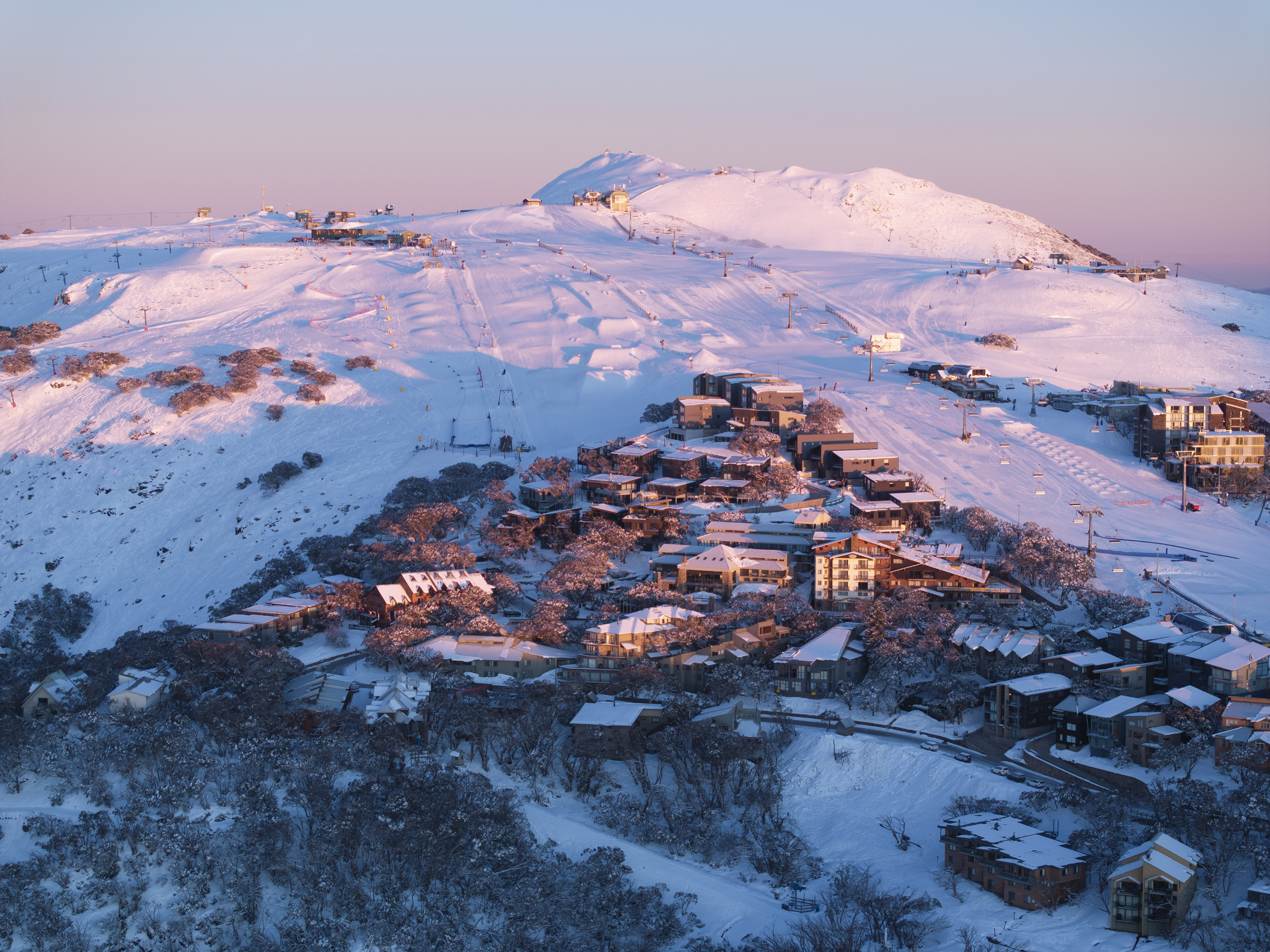
Australian travel advertising spent $677M last year and it crests in January, the exact window Mt Buller has nothing to sell. By the time your season lands in June and July, the category's spend, and its media inflation, has rolled off. That is not a problem. It is an opening: you can buy attention in your peak while your category rivals are quiet.
The trap is treating the season as your marketing calendar. Intent for you builds weeks before, when a Melbourne family is deciding between a weekend at Buller and a flight somewhere warm.
Here is how the category spends across the year (Nielsen Ad Intel). Read it against your own window. Where the line dips is where impressions are cheap and the field is thin.
Category peaks January, troughs December. Your peak sits in the category's quiet months. · Source: Nielsen Ad Intel, as at Dec 2025
Like an airport that earns on parking and retail regardless of which airline a passenger flies, Mt Buller charges resort entry on every car that comes up the hill. The tobogganer, the grandparent who never leaves the village, the day-tripper who came for one run: they all pay to be there. That widens your real addressable market well beyond "people who ski."
Most alpine marketing speaks only to committed skiers and snowboarders. We would build a second acquisition track for the snow-play and day-visit audience, who are cheaper to reach, decide later, and convert on a confirmed-snow forecast.
We can map your day-trip vs overnight demand by week against last winter's snow forecasts before we even meet.
Just hit replyMore than $208M of category spend still went to newspapers last year, ahead of all of digital and social. For a resort whose customer checks live cams and a snow report on their phone before committing, that gap is your advantage. The audience deciding on Buller is already on the device you can bid on.
Newspapers remain the category's single largest channel, ahead of digital & social. · Source: Nielsen Ad Intel, as at Dec 2025
Here is the category's heaviest spenders against Mt Buller. The point is not to match them. They are fighting nationally, year-round, for every trip. You are fighting for one region in one season. Concentrated spend in your window beats their diffuse spend across twelve months.
Category giants spend broad and constant; a resort wins by owning a narrow window. · Source: Nielsen Ad Intel, as at Dec 2025
Bookings can stall on a soft forecast even with every lift spinning. We retarget the people who opened your live cams and snow report but did not book, they are your warmest, most anxious audience.
Day-trip demand consolidates in the two days before a confirmed-snow weekend. Bids and creative need to move on that trigger, not on a fixed weekly schedule.
An Ikon or Mountain Collective passholder has decided to ski somewhere. The battle is which resort and which dates, won early, before other passes lock in the calendar.
The overnight guest spends across accommodation, food and rentals, but decides later and more cautiously. Same audience, two very different bids and two different messages.
Your own site pushes off-peak and pre-purchase savings. Those discounts are a targeting signal, we use them to pull forward the mid-week and shoulder-week visits that smooth your capacity.
Being Australia's most accessible alpine resort means most of your market is a single Melbourne drive. That lets us geo-weight spend tightly and treat interstate flyers as a separate, slower-burn campaign.
These are our own delivered results across Australian and New Zealand travel accounts over the last year. Directional, deliberately rounded, and real, the kind of numbers a competitor cannot find online.
Sunny first-party benchmark, as at Jun 2026. Averages not weighted by spend.
Creative and bids that respond to your own snow report and cams. When cover is good, spend lifts and messaging shifts to "conditions are on." When it softens, we hold budget and lean on the guaranteed experiences: village, events, snow play.
Two audiences, two economics, two campaigns. The day-tripper is a same-week, weather-led decision. The overnight guest is a higher-value, longer consideration booking. Right now they likely see one message.
While the category floods January, your winter window sits in cheaper media. We would concentrate spend where impressions are cheap and the field is thin, exactly opposite the category's habit.
Everything above is what we can read from the outside. With your booking, resort-entry and cam-traffic data, the picture sharpens fast.
We've done this for travel & tourism brands right across Australia. See the campaigns, and the results, for yourself.
Check out our success storiesOur travel & tourism accounts return north of 12x on Google on average, with a floor around 6.7x across the full range. Applied to whatever you commit to a focused winter performance program, that is the honest band we would expect to land in, assuming spend is concentrated in your intent window rather than spread evenly across the year.
Half an hour, and we will walk you through the weather-triggered layer, the day-trip vs overnight split, and where the cheap impressions sit in your calendar.
Just hit replyWhere impressions are cheap while your lifts are on.
How we would separate day-trip and overnight demand.
Connecting your snow report to what the market sees.